Introduction
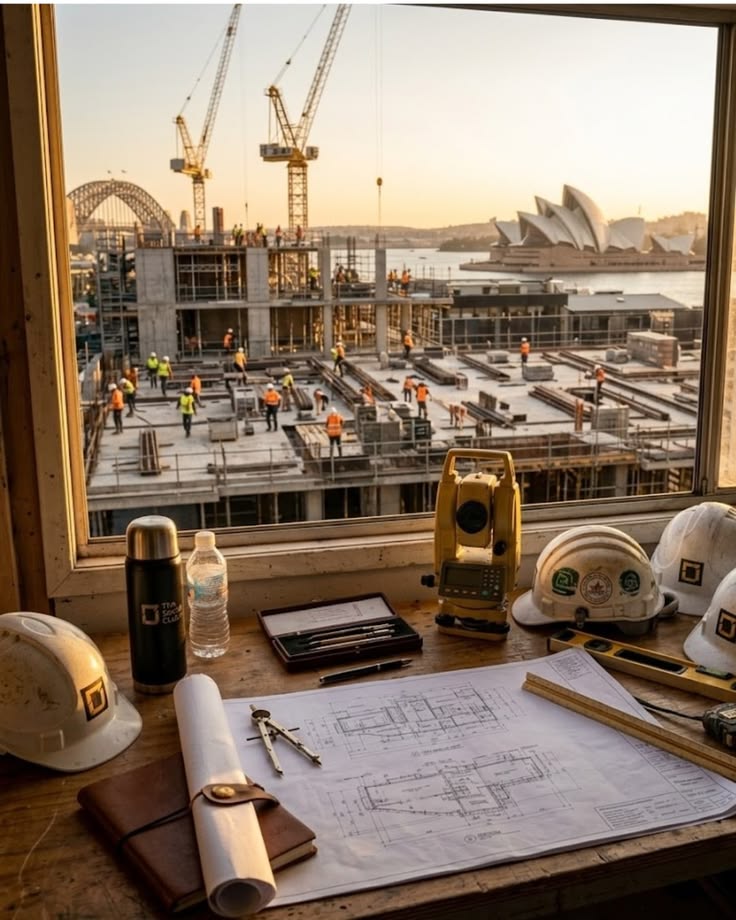
Successful marine and construction projects do not begin when equipment arrives on site or when construction work starts. They begin much earlier — with proper planning.
In demanding industrial environments, even a small oversight during the planning stage can result in delays, additional costs, safety challenges and difficulties during project execution. Effective planning helps project teams understand the scope of work, identify potential challenges and establish a clear path from mobilisation to completion.
For companies operating across marine, construction and engineering environments, strong project planning is therefore an essential part of delivering reliable results.
Understanding the Project Requirements
The first step in effective project planning is understanding exactly what the project requires.
This includes reviewing the scope of work, technical specifications, project location, available resources, timelines and client expectations.
In marine and construction projects, the operating environment can significantly influence how work is planned. Access, weather conditions, logistics, equipment availability, manpower and site conditions may all affect project execution.
A clear understanding of these factors allows the project team to develop a realistic execution strategy before work begins.
Planning Resources and Equipment
The availability of the right resources can have a major impact on project performance.
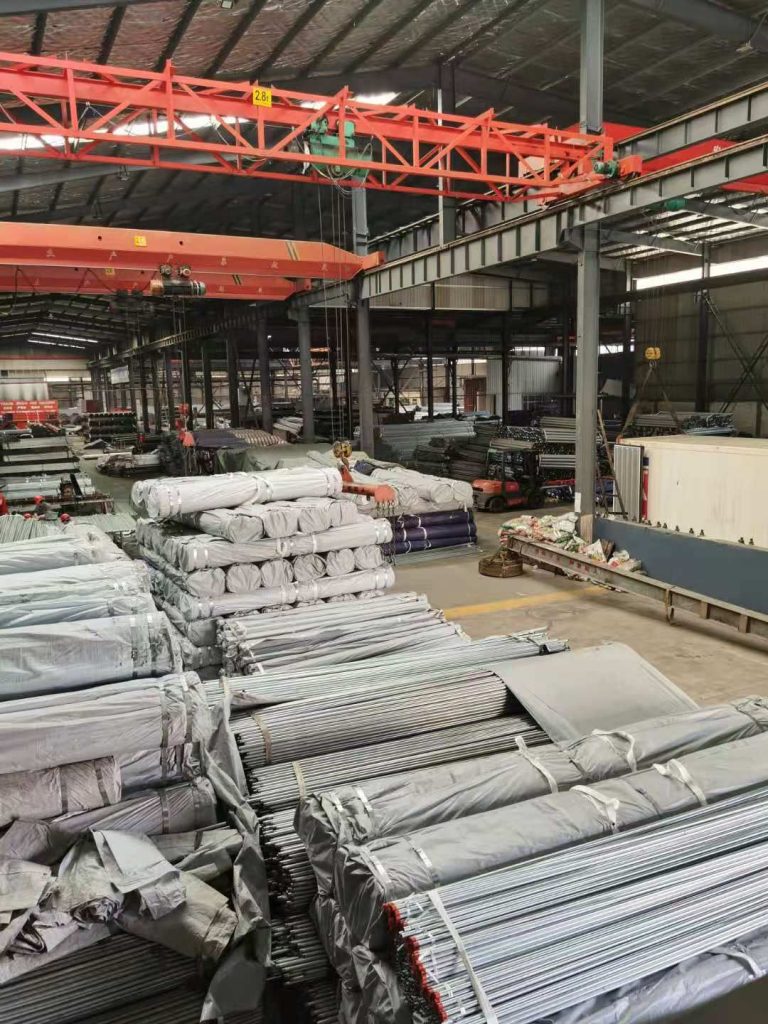
Depending on the nature of the work, projects may require specialised equipment, marine assets, construction materials, technical personnel, transportation and other supporting resources.
Planning these requirements early helps reduce unnecessary downtime and ensures that critical resources are available when they are needed.
Procurement and logistics also play an important role. Materials and equipment must be sourced, transported and delivered according to the project schedule.
Safety Must Be Part of the Plan
Safety should not be treated as something added after the project has already been designed.
It should be incorporated into the planning process from the beginning.
Project teams need to consider potential hazards, working conditions, equipment requirements, personnel responsibilities and appropriate control measures before activities commence.
In marine and construction environments, where personnel may work around heavy equipment, vessels, elevated structures or challenging operating conditions, effective safety planning is particularly important.
A well-planned project creates a safer and more controlled working environment.
Managing Time and Project Coordination
Time management is another important component of project planning.
A project schedule provides the team with a clear understanding of what needs to happen, when it needs to happen and which activities depend on others being completed first.
Good coordination between engineering, procurement, logistics, site personnel and management helps prevent unnecessary interruptions.
Regular communication is equally important. Project teams should be able to identify changes or potential delays early and respond before they become larger problems.
Preparing for Challenges
No project is completely free from uncertainty.
Equipment availability may change. Weather conditions may affect marine operations. Materials may take longer to arrive. Site conditions may differ from initial expectations.
Effective planning does not eliminate every possible problem, but it allows project teams to prepare for them.
By identifying potential risks early and developing practical responses, companies can improve their ability to maintain progress when unexpected situations arise.
Delivering Better Results
Ultimately, proper planning creates a stronger foundation for project execution.
It brings together people, equipment, materials, schedules, safety requirements and technical considerations into one coordinated approach.
For clients, this can translate into better communication, improved efficiency, stronger control over project activities and greater confidence in the delivery process.
At Joe Marine & Construction Company Limited, we understand that dependable project delivery requires more than completing the work. It requires understanding the environment, planning carefully and working with the right combination of technical capability, experience and resources.
Conclusion
Marine and construction projects operate in environments where preparation matters.
From understanding project requirements to coordinating resources, managing logistics and maintaining safety, every stage of planning contributes to the final outcome.
A well-planned project is better positioned to respond to challenges, maintain efficiency and deliver the standards expected by clients.
Good projects are built long before construction begins — they are built through preparation, coordination and experience.